Table of Contents
1. Water Source and Purification: The First Step That Decides Everything
2. Bottle Forming and Washing: The Container That Protects Your Product
3. Filling and Capping: The Heart of Your Production Line
4. Quality Control and Testing: Catching Problems Before They Reach Customers
5. Final Packaging and Palletizing: Getting Products Ready for the Road
6. Equipment Selection and Line Layout: Building a Line That Grows With You
7. Final Thoughts
You are operating a bottled water production line. You see more rejected bottles than you want to see. You hear your line manager complain about downtime again. These problems eat into your profit margin every single day, and you know you cannot keep losing money this way. You want a smooth, reliable bottled water production line that runs without surprises. The good news is this: you can fix most production problems when you understand the key elements of the process.
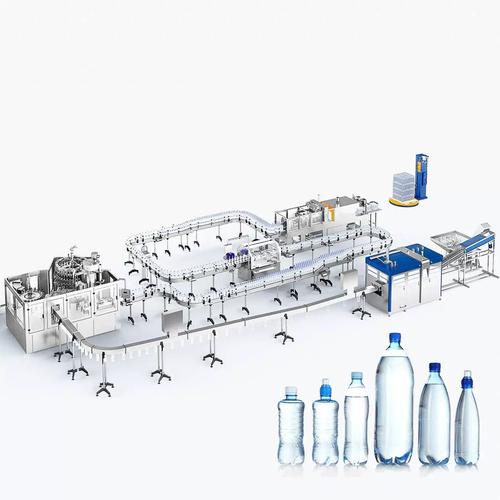
The bottled water production process has six core elements. They are water treatment, bottle forming, bottle washing, filling and capping, quality inspection, and final packaging. Each step connects directly to the next one. If one step fails, the whole line slows down or stops. Water treatment sets the quality of your final product. Bottle forming determines the look and strength of your container. Filling and capping control the speed and safety of production. Quality testing catches problems before products leave your factory. Final packaging gets products ready for shipping. You need to pay attention to all six elements to run a profitable line.
Water Source and Purification: The First Step That Decides Everything
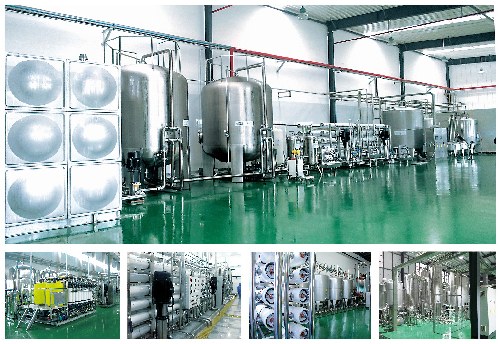
You sell bottled water, but not all water is the same. Your source water might have minerals, bacteria, or strange tastes. If you skip proper treatment, your final product will fail lab tests. Your customers will complain. Your brand will get a bad name. And you will waste all the money you spent on bottles, caps, and labor. This problem gets worse when your source water quality changes with the seasons. You need a purification system that can handle these changes and keep your water quality consistent every day.Water purification has four main stages. First, you filter the water to remove large particles like sand and dirt. Second, you use activated carbon to remove chlorine, bad tastes, and organic compounds. Third, you run the water through reverse osmosis membranes to remove dissolved salts, heavy metals, and most bacteria. Fourth, you add a final disinfection step, usually UV light or ozone, to kill any remaining microorganisms. You should also test the water at each stage. You need to check pH level, conductivity, and total dissolved solids. A good water treatment system gives you clean, safe water that tastes the same in every bottle.
Bottle Forming: The Container That Protects Your Product
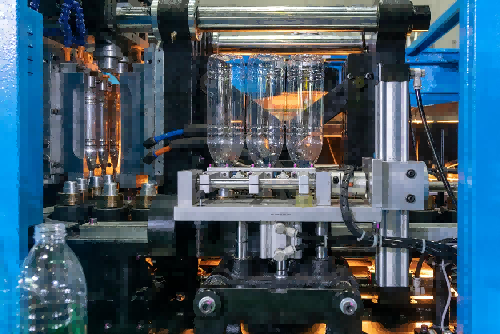
You have probably seen this before. A bottle comes out of the machine with a thin spot. It cracks during filling. It leaks on the conveyor belt. You lose product. You lose time. You have to stop the line and adjust the machine. These small defects add up fast. They waste your raw materials and they slow down your entire production schedule. You need bottles that are strong, clear, and perfectly shaped every single time. And you need them to be clean before they touch your water.Bottle forming uses a process called stretch blow molding. You start with small plastic preforms that look like test tubes. You heat the preforms until they become soft. Then you put them into a mold. You stretch them with a rod and blow compressed air into them. The plastic takes the shape of the mold. After cooling, you get a finished bottle. The key factors here are heating temperature, blowing pressure, and cooling time. If you get these numbers right, your bottles will have even wall thickness and consistent strength.
3 In 1 Filling: The Heart of Your Production Line
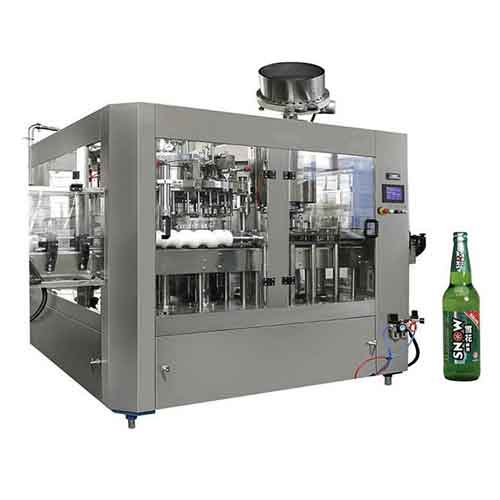
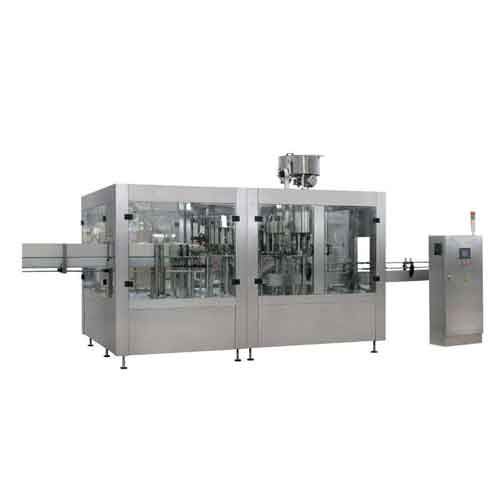
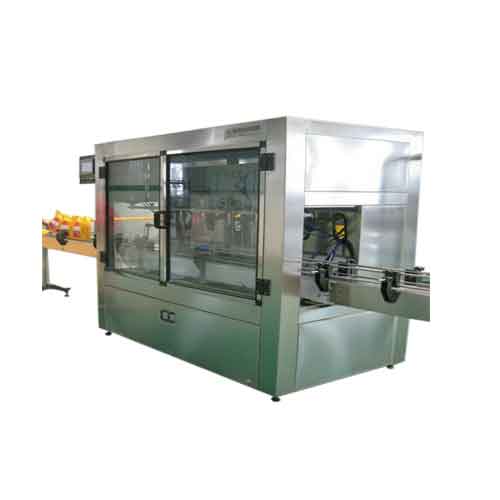
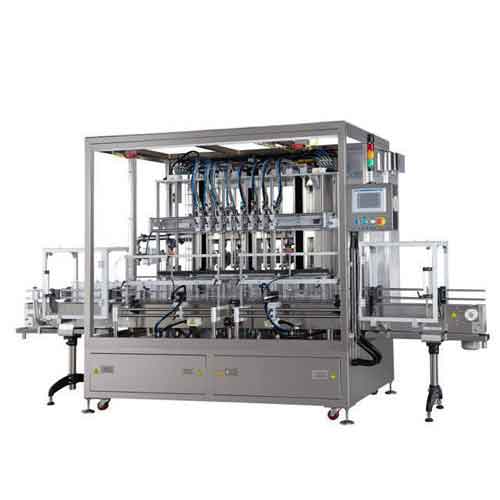
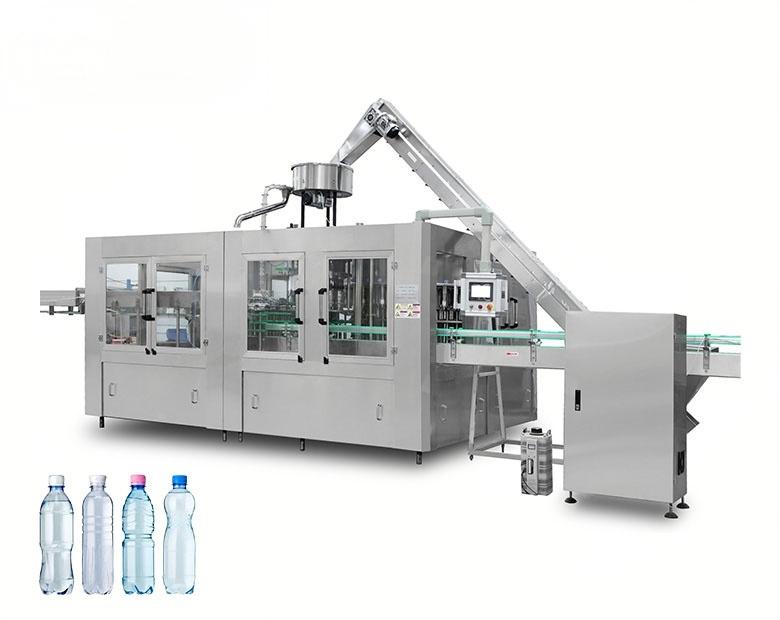
This is the step where most factories lose money. Your filling machine runs too slow. Or it fills some bottles with more water than others. Or the caps are loose. Or you get foam that spills everywhere. Each of these problems costs you real money. You pay for the wasted water. You pay for the rejected bottles. You pay your workers to stand around while the machine is down. And you miss delivery deadlines because you cannot produce enough. You need a filling system that runs fast, runs accurate, and runs without breaking down all the time.A 3-in-1 filling machine combines three production steps into one unit: bottle washing, filling, and capping. First, the cleaning stage. After forming, you must wash each bottle with purified water or air to remove dust and plastic particles. Clean bottles protect your water quality and they protect your brand. Second, the filling stage. Clean bottles move under filling nozzles. The nozzles release a precise amount of water into each bottle. Modern gravity fillers or flow meter fillers can fill hundreds or even thousands of bottles per hour. The key is accuracy. Each bottle should have almost exactly the same volume. Third, the capping stage. After filling, bottles move to the capping machine. The machine places a cap on each bottle and twists it to the correct torque. Too loose, and the bottle leaks. Too tight, and the cap breaks or the bottle deforms. You need to set the torque correctly and check it regularly. A well-tuned filling and capping line runs smoothly and produces very few rejected bottles.
Quality Control and Testing: Catching Problems Before They Reach Customers
You have probably heard horror stories. A batch of bottled water reaches the store shelf. A customer finds something inside the bottle. The story spreads on social media. The company has to recall thousands of products. The brand suffers for years. You do not want this to happen to your business. One bad batch can destroy years of hard work. You need quality checks at every step of your production line. You need to catch small problems early, before they become big, expensive problems.Quality control in bottled water production includes several checks. First, you check the water quality. You test samples for pH, taste, odor, and microbial content. You should do these tests every shift. Second, you check the bottles. You look for cracks, scratches, and deformed shapes. Many factories use camera inspection systems that automatically reject bad bottles. Third, you check the fill level. Each bottle should have the correct amount of water. Fourth, you check the cap torque. A loose cap means a leaky bottle. Fifth, you do final batch testing before products leave the factory. You keep sample bottles from each batch for record-keeping. Strong quality control protects your customers and it protects your business.
Final Packaging and Palletizing: Getting Products Ready for the Road
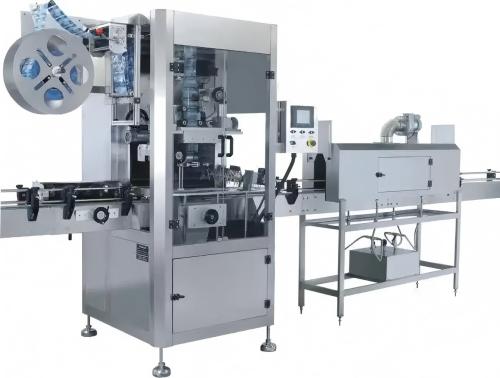
Your bottles are filled, capped, and tested. They look perfect. Then they reach the packaging step, and things go wrong. The label machine puts labels on crooked. The shrink wrapper burns holes in the plastic. The palletizer drops a whole layer of bottles. Suddenly, your perfect products look like garbage. You have to rework them or throw them away. All the time and money you spent on earlier steps goes to waste. You need reliable packaging equipment that finishes the job right.Final packaging has three main steps. First, labeling. You apply labels to each bottle. The label shows your brand name, your logo, the volume, and other required information. Labeling machines can apply wrap-around labels, front-and-back labels, or shrink sleeve labels. Second, grouping. You put bottles into multi-packs, usually 6, 12, or 24 bottles per pack. You use shrink wrap film or cardboard carriers. Third, palletizing. You stack the packs onto pallets for shipping. Automatic palletizers can stack hundreds of packs per hour. The key is to make sure each pallet is stable and each pack looks good when it arrives at your customer's warehouse. Good packaging protects your product and it makes a strong first impression.
Equipment Selection and Line Layout: Building a Line That Grows With You
You want to buy a production line, but you face a tough choice. You can buy cheap equipment and save money now, but then you deal with constant breakdowns. Or you can buy expensive equipment and worry about whether you can afford it. You also worry about layout. If you put the machines in the wrong order, your workers waste time walking around. If the line is too long, it does not fit in your factory. If it is too short, you cannot expand later. These decisions affect your business for the next 10 years or more. You need to get them right.When you select equipment for a bottled water line, you need to think about five things. First, capacity. How many bottles per hour do you need to produce? Your machines should match your target output. Second, quality. Look for machines made with food-grade stainless steel and reliable components. Cheap machines break down more often. Third, efficiency. Good machines use less water, less electricity, and produce fewer rejected bottles. They save you money over time. Fourth, layout. Your production line should flow in a straight line from water treatment to final palletizing. Each machine should connect smoothly to the next one. You need enough space for workers to move and for maintenance. Fifth, after-sales support. You want a supplier who can help you with installation, training, and spare parts. Good equipment from a reliable supplier gives you a production line that runs well for many years.
Final Thoughts
I have worked with many bottled water factories over the years. I have seen lines that run perfectly and lines that are a constant headache. The difference almost always comes down to the basics. You need good water treatment. You need reliable bottle forming. You need accurate filling and capping. You need strong quality control. You need solid final packaging. And you need equipment that fits your specific needs.If you are planning a new bottled water line or you want to improve your existing line, start with these six elements. Check each one. Find the weak spots. Fix them one at a time. You will see better output, fewer rejects, and lower costs.
We design and manufacture complete bottled water production lines for factories around the world. We help you choose the right machines. We help you lay out your factory. And we support you after installation. If you want to talk about your specific project, send us a message. We are happy to help.
For more product information, please refer to: Bottled Water Filling Machine;More video information see view: Bottled Water Production Line 、PET Bottled Water Production Line、 Pure water filling machine Our expertise and advantages will bring you more opportunities and development space.
For personalized, industry-tailored advice and to explore state-of-the-art solutions, please don't hesitate to contact us at info@unmachinery.com
The following is other knowledge related to Bottled Water Filling Production Line that I have summarized based on long-term work experience, for your reference. I hope it will be helpful to you.
1.How to Design a PET Bottled Water Production Line?
2.How is PET bottled purified water filled?
3.What Are the Advantages of 3-in-1 Bottled Water Filling Machines?
4.What Are The Common Faults of 3-in-1 Bottled Water Filling Machine?
5.How Does a Bottled Water Production Line Work?
6.What Machines Are Needed for a Bottled Water Factory?
7.What Should You Consider When Purchasing a Bottled Water Production Line?
Product List
HOT PRODUCT