1.Basic Overview of Aseptic Carton and PET Bottle Milk Packaging
2.Pros and Cons of Aseptic Carton Milk Filling
3.Pros and Cons of PET Bottle Milk Filling
4.Cost Efficiency and Production Speed
5.Sustainability and Environmental Impact
6.Marketing and Consumer Preference
7.Key Factors to Choose Between Carton and PET Bottle Milk Filling
8.Final Verdict: Which Option Is Better for Your Milk Factory?
Nearly all milk and food processing manufacturers run into the same packaging challenge every year. You plan to upgrade your filling production lines or launch new milk products, but you struggle to pick between aseptic carton filling and PET bottle filling. A poor choice will push up your production costs, limit your product sales channels, and hurt your market competitiveness. We are a professional Chinese food machinery manufacturing team. We have supported hundreds of overseas food, dairy and FMCG factories. We use our real industry experience and practical data to help you solve this common problem.
There is no one-size-fits-all packaging solution for milk production factories. Aseptic carton filling works best for manufacturers that produce long-shelf-life UHT milk, store products at room temperature, run large-scale mass production, and want to cut logistics expenses. PET bottle filling is ideal for factories making fresh chilled milk, needing visible product display, requiring re-sealable packaging, and serving high-end retail and offline catering clients. You can easily select the right option by checking your product positioning, storage methods, sales channels and factory budget.
Basic Overview of Aseptic Carton and PET Bottle Milk Packaging
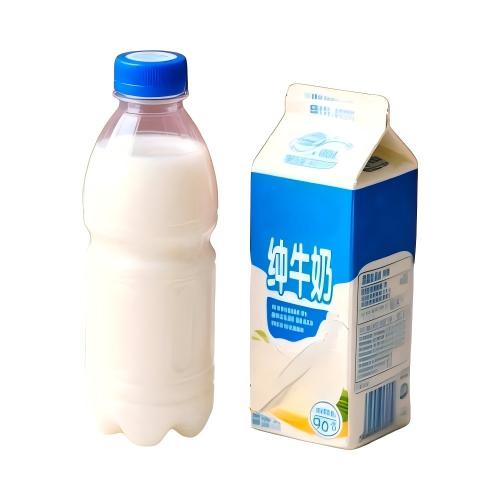
Many new factory owners fail to tell the key differences between carton and PET bottle milk packaging. They buy filling equipment blindly without clear product positioning. This wrong move leads to mismatched production lines and wasted factory investment. We talk with many overseas clients every day, and we see this issue happen very often in the food and dairy processing industry.Aseptic cartons are multi-layer composite packaging made of paper, food-grade plastic and thin aluminum foil. They fully block light, air and harmful bacteria. They match UHT sterilization and full aseptic filling standards. Most carton-packed milk can stay fresh for 6 to 9 months at normal room temperature. PET bottles are transparent single-layer plastic packaging. They mostly fit pasteurized fresh milk and short-term ESL milk. Almost all PET bottle milk needs cold chain storage and has a much shorter shelf life than carton milk.

Pros and Cons of Aseptic Carton Milk Filling
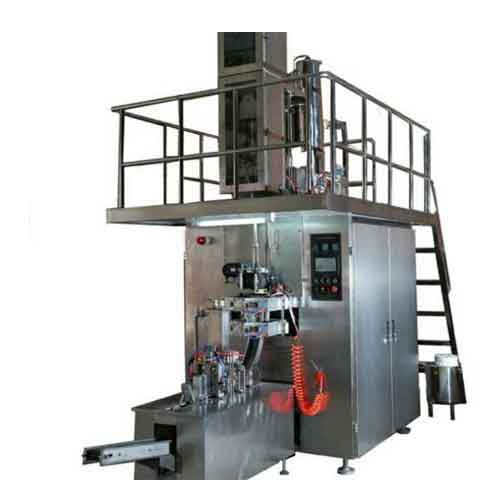
Many medium and large dairy factories want to expand their room-temperature milk market share and lower long-term operating costs. But they are not sure if aseptic carton filling can meet their production targets. They also worry about hidden downsides that may hurt product sales and factory profits. We collect real cases from our overseas project experiences to sort out clear pros and cons for your factory reference.Aseptic carton filling offers four key benefits for milk manufacturers.
First, it delivers long shelf life without refrigeration. It greatly cuts your spending on cold chain transport and warehouse storage.
Second, cartons are light and flat when empty. You can load more finished products on each pallet, so you spend less on shipping and storage space.
Third, cartons have a low carbon footprint. They follow global environmental packaging rules and build better trust with consumers.
Fourth, carton filling machines support high-speed continuous production. They work perfectly for large-batch, standardized milk manufacturing.
This packaging method also has clear downsides. It is opaque, so customers cannot see the milk texture inside. It has no re-sealable design, so leftover milk often goes to waste after opening. Its packaging material cost is also a bit higher than raw PET plastic materials.
Pros and Cons of PET Bottle Milk Filling
Many factories focused on fresh milk, catering supply and high-end retail doubt the actual value of PET bottle filling. They question if the higher equipment and packaging costs can bring stable market returns. They also worry that PET packaging cannot keep milk fresh and stable for long. We organize practical advantages and weaknesses based on real overseas service cases to help you make smart factory decisions.PET bottle milk filling has unique strengths for market sales and daily use.
First, transparent PET bottles clearly show the pure texture of milk. They make products more attractive on store shelves and draw in more retail buyers.
Second, PET bottles come with re-sealable caps. Consumers can open the bottle, drink some milk and store the rest for later use. This easy feature greatly improves product repurchase rates.
Third, PET plastic is highly recyclable. It fits local waste recycling policies in most countries around the world.
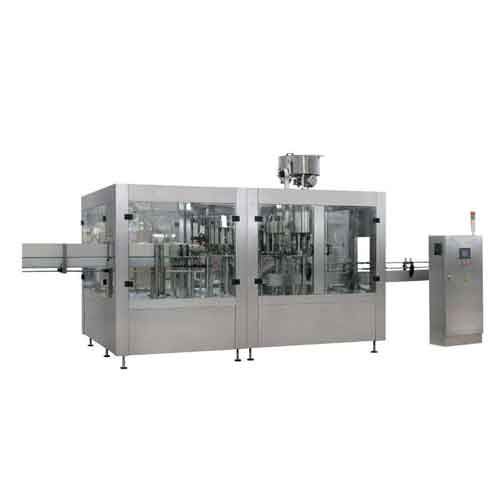
Fourth, PET filling lines support flexible production. They handle different bottle sizes and small-batch custom orders with ease.
PET bottle filling also has obvious weaknesses. Most PET milk has a short shelf life and needs strict cold chain support, which raises your logistics costs. PET bottles take up more space, so your shipping fees are higher. They also produce more carbon emissions compared to aseptic cartons.

Cost Efficiency and Production Speed
Do you constantly worry about your profit margins? Packaging costs take a big bite out of your revenue. You need a choice that makes financial sense for your business model. I understand that every cent saved per unit adds up to huge savings at the end of the year.Which packaging type offers better cost efficiency? Aseptic carton filling usually offers lower material costs per unit and faster filling speeds for high-volume lines, making it the winner for mass production. PET bottles often have higher material costs and require more energy for blowing and filling, but they can offer better return on investment for premium-priced products. If you run a large dairy farm processing tons of milk daily, aseptic cartons will likely give you the best cost performance.
Sustainability and Environmental Impact
Are your customers asking for greener packaging? Environmental regulations are getting stricter every day. You need to show that your company cares about the planet. I see more and more international buyers demanding sustainable solutions in their contracts.Which option is more sustainable? Aseptic cartons are mainly made from paperboard, a renewable resource, and they have a lower carbon footprint during transport due to their brick shape and light weight. PET bottles are 100% recyclable and highly valued by recyclers, but they are derived from fossil fuels and often face negative public perception regarding plastic waste. If your market prioritizes renewable materials, cartons are better; if your market has a strong PET recycling infrastructure, bottles can be a viable circular solution.
Marketing and Consumer Preference
Do you struggle to make your brand stand out on the shelf? The competition in the dairy aisle is fierce. You need packaging that catches the eye and communicates quality. I know that great product inside an ugly package often fails to sell.Which packaging helps you sell more milk? PET bottles offer crystal clear transparency, allowing consumers to see the milk, which builds trust and implies freshness. Aseptic cartons offer a large printable surface area for brand storytelling and nutritional information, but they hide the product inside. If you sell premium fresh milk or flavored milk, PET bottles create a modern, high-quality image. If you focus on family-sized economy packs or school programs, cartons are more practical and recognizable.

Key Factors to Choose Between Carton and PET Bottle Milk Filling
Most overseas processing factories only compare equipment prices when they choose filling solutions. They ignore key matching points between packaging types and actual production needs. This simple mistake leads to low production line utilization and unbalanced profit margins. We sum up five core judgment standards from our years of food machinery export experience.You can make an accurate packaging choice by checking five core conditions of your factory and products.
First, check your milk type. Choose aseptic cartons for UHT long-life milk. Choose PET bottles for pasteurized fresh milk and ESL milk.
Second, check your sales and storage methods. Pick cartons for room-temperature bulk sales and long-distance export business. Pick PET bottles for local cold chain retail, supermarket sales and catering supply.
Third, calculate your operating budget. Cartons save you money on long-term logistics and cold chain costs. PET bottles lower your initial spending on packaging materials.
Fourth, check your target customers. Cartons fit mass consumer markets and large-scale supermarket wholesale. PET bottles fit high-end retail stores, convenience stores and family users.
Fifth, check your production scale. Carton filling matches large-batch, fixed-spec production. PET filling matches flexible, multi-spec small and medium-batch production.
Final Verdict: Which Option Is Better for Your Milk Factory?
After learning all the pros, cons and selection rules, many manufacturers still struggle to pick the right solution quickly. They want simple, clear advice that matches their factory scale and product layout. We share straightforward, actionable conclusions for all our overseas processing and manufacturing clients.You should choose aseptic carton filling if you run large-scale dairy production, focus on long-life room-temperature milk, and prioritize low logistics costs and wide market coverage. This solution is the most cost-effective and stable for mass FMCG milk sales and cross-border export projects. You should choose PET bottle filling if you position your products as fresh high-end milk, target local retail and catering markets, need flexible production lines, and want to improve your brand’s shelf display effect. If your factory has diverse product lines, you can install both filling systems to cover different market demands and boost overall sales.
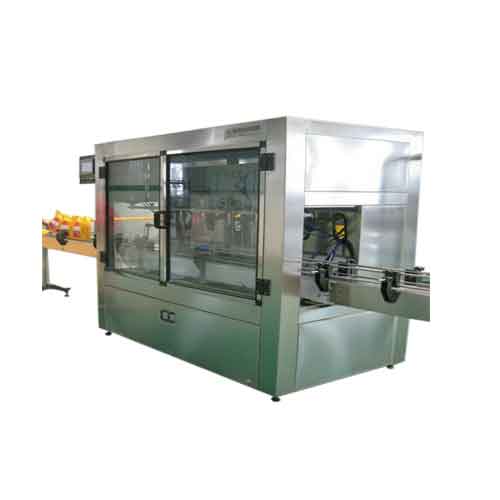
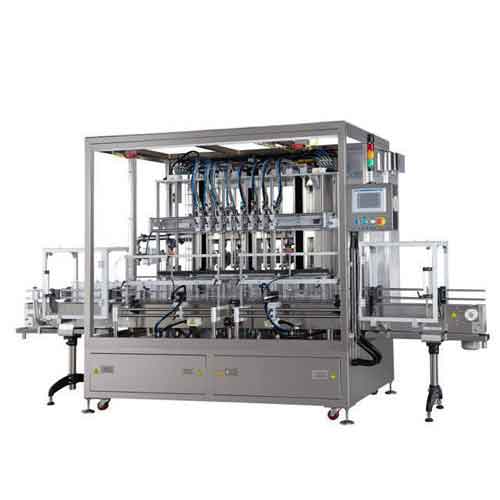
We specialize in exporting full-set filling and packaging machinery for food and dairy industries. We offer customized production line solutions for factories of all scales and different product positioning needs. If you have any questions about equipment selection, production line layout or cost calculation, feel free to contact us for free, professional one-on-one guidance.
For more product information, please refer to: Aseptic-Carton-filling-machine;More video information see view:200ml-aseptic-carton-filling-machine、 250ml Juice Aseptic Filling Line、250ml Slim Aseptic Carton Filling Machine、 500ml Diamond Fruit Juice Aseptic Carton Filling Line ; Our expertise and advantages will bring you more opportunities and development space.
For personalized, industry-tailored advice and to explore state-of-the-art solutions, please don't hesitate to contact us at info@unmachinery.com
The following is other knowledge related to aseptic carton filling machine that I have summarized based on long-term work experience, for your reference. I hope it will be helpful to you.
1.What is the aseptic filling machine?
2.How to ensure the quality and safety of aseptic carton filling products?
3.What are the common forms of aseptic carton packaging?
4.What are the main equipment of aseptic carton filling line?
5.Aseptic carton filling common problems and solutions.
6.How to ensure the aseptic effect of aseptic carton filling?
7.What should be noted when buying a aseptic carton filling machine?
8.What are the benefits of using a aseptic carton filling machine?
9.How can aseptic carton filling machines help enterprises improve production efficiency?
10.What is the maintenance cost of a aseptic carton filling machine?
11.How to judge the quality of aseptic carton filling machine?
12.How Can Aseptic Filling Revolutionize Your Ice Cream Production?
13.How to Maintain a Standard Brick Aseptic Carton Filler?
14.How Much Does a 250ml Brick Aseptic Carton Filling Machine Cost?
15.What You Need to Know Before Installing a 250ml Aseptic Carton Filling Machine?
16.What Are the Cutting-Edge Industry Trends in Aseptic Carton Filling Machines?
17.Why Aseptic Carton Filling Machines Are Essential for Milk Production?
18.Which Products Are Suitable for Aseptic Carton Filling?
19.What is an Aseptic Carton Filling Machine?
20.What Are the Methods of Aseptic Filling?
21.What Is Aseptic Carton Packaging?
Product List
HOT PRODUCT